SiC: A High-Performance Material for Power Electronics
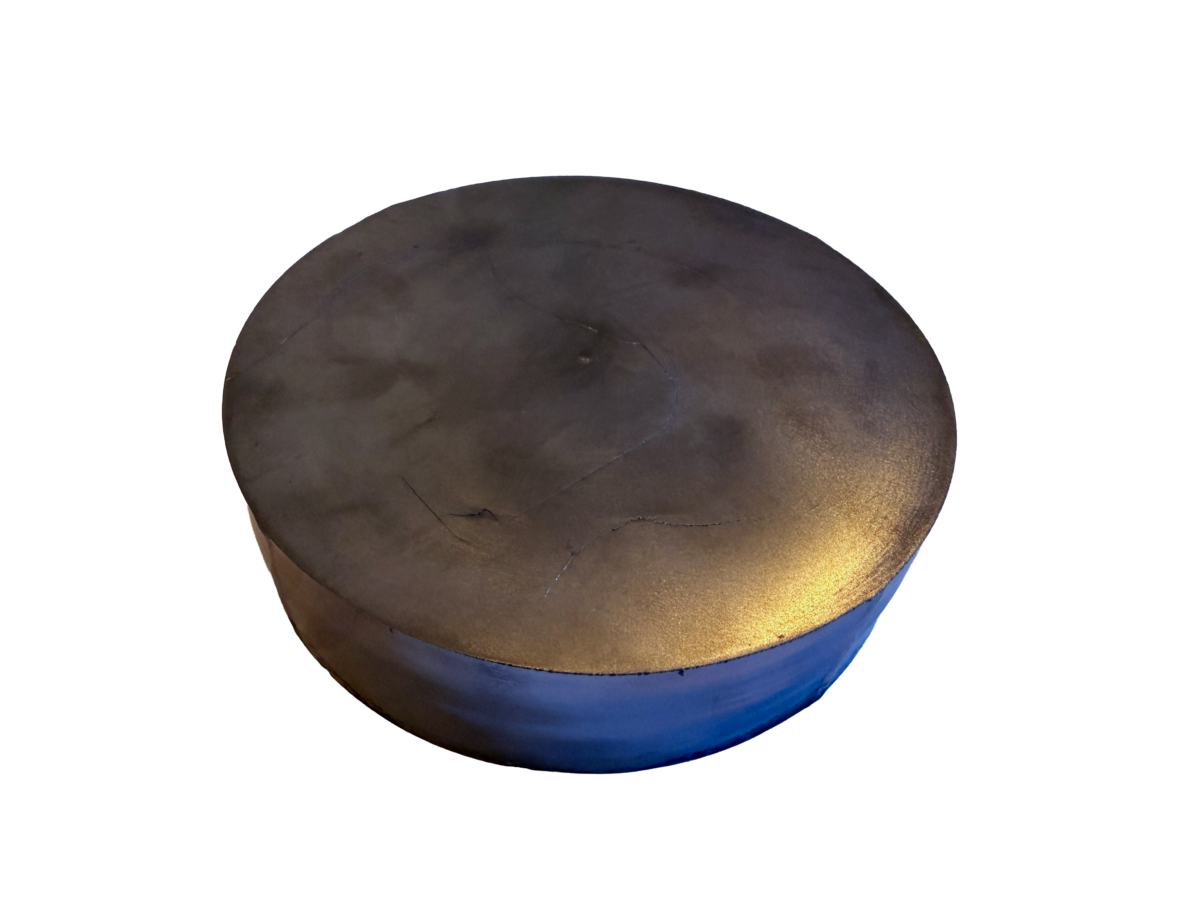
Silicon carbide (SiC) is rapidly gaining importance in modern power electronics. In electric vehicles, charging infrastructure, solar inverters, and industrial drive systems, SiC is increasingly replacing conventional silicon. The reason is clear: SiC enables higher switching frequencies, lower power losses, and more compact component designs.
The challenge lies in machining the material. With a hardness of approximately 2,500 HV, silicon carbide is one of the hardest engineering materials available and causes extremely rapid wear on conventional cutting tools.
Challenges in SiC Machining
• Extremely high hardness – conventional saw bands wear out quickly
• Risk of brittle fracture – excessive cutting pressure can cause chipping and edge damage
• Sensitivity to heat – thermal damage to the crystal structure must be avoided
• High material costs – maximum material yield is essential
Diamond – The Only Economical Solution
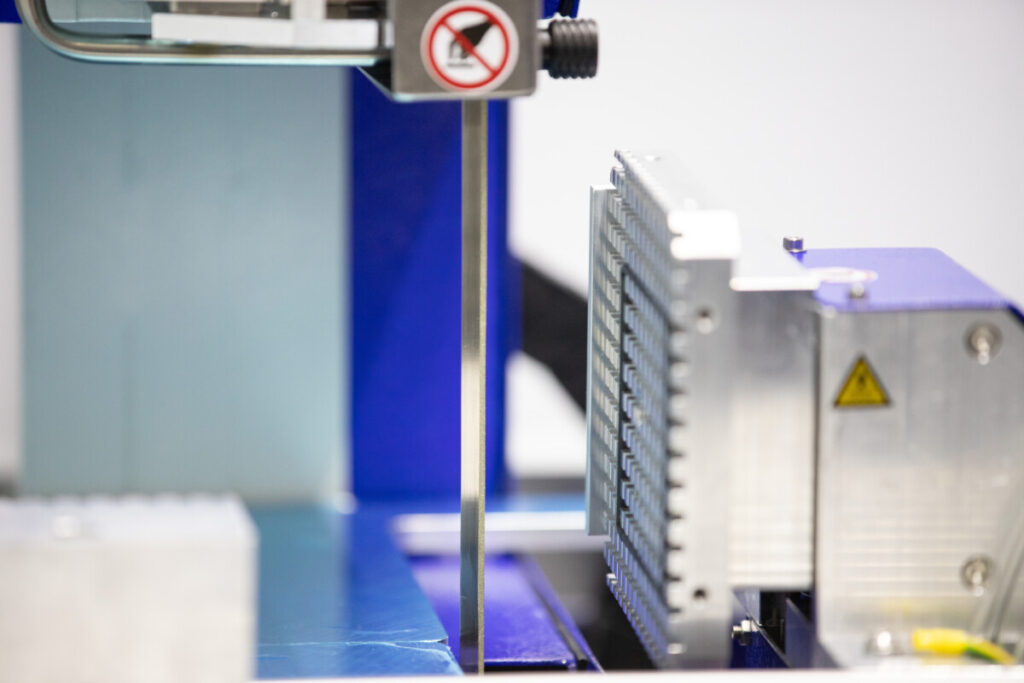
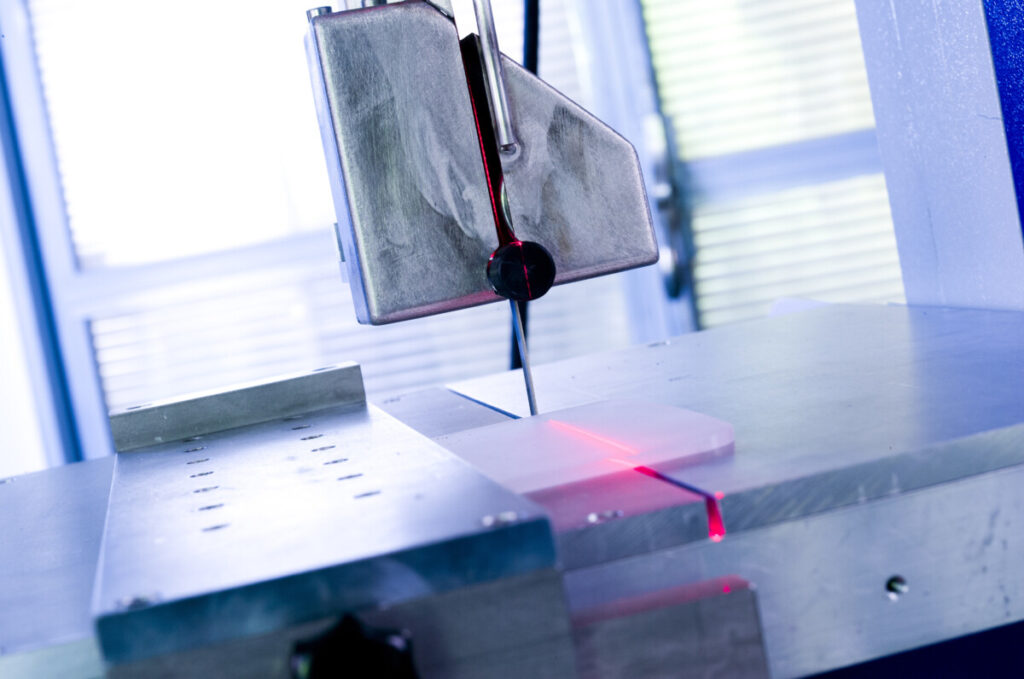
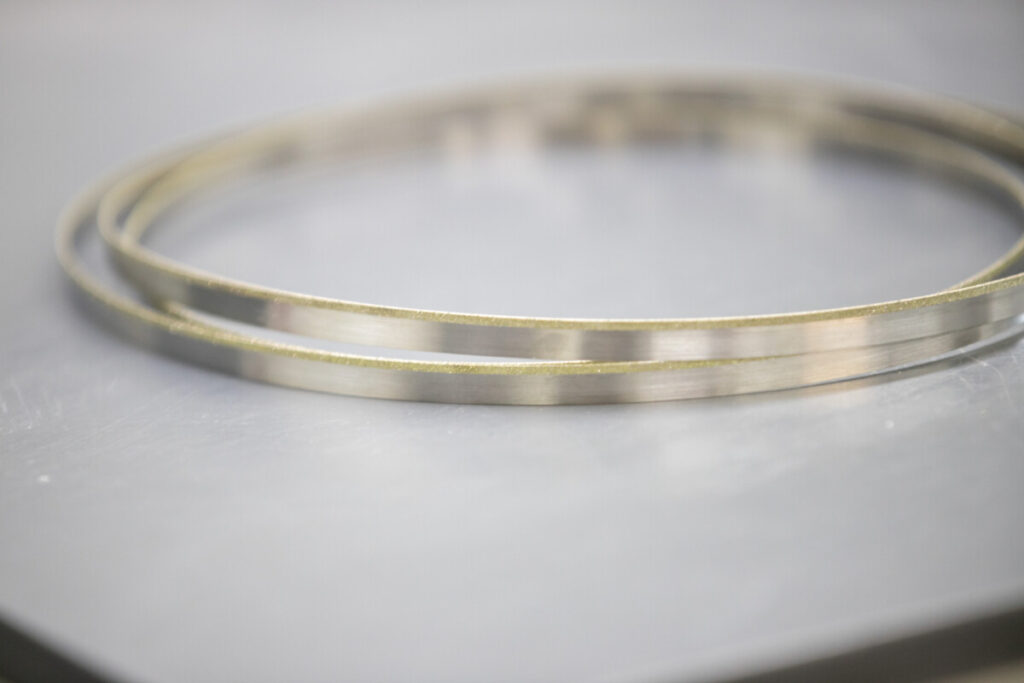
Only diamond is hard enough to cut SiC wafers and substrates with the required precision. DRAMET diamond band saws equipped with fine-grit saw bands (76–126 µm) and operating at minimal cutting pressure provide chip-free cut edges and narrow kerfs of just 0.16–0.35 mm, ensuring maximum material utilization from costly SiC blocks.
Suitable Machine Solutions
• 200 Series – ideal for SiC wafers in research environments and small-batch production
• 270 Series – designed for medium-volume production with NC-controlled repeatability
• DS150-NC Diamond Wire Saw – for ultra-precise cutting of SiC substrates
Conclusion
Demand for SiC continues to grow alongside the rapid expansion of electric mobility and advanced power electronics. DRAMET provides the machining precision required for this fast-growing market—ensuring maximum material utilization, reliable processes, and scalable production.
Contact us for a consultation on machining silicon carbide (SiC)