The raw materials of the energy transition place the highest demands
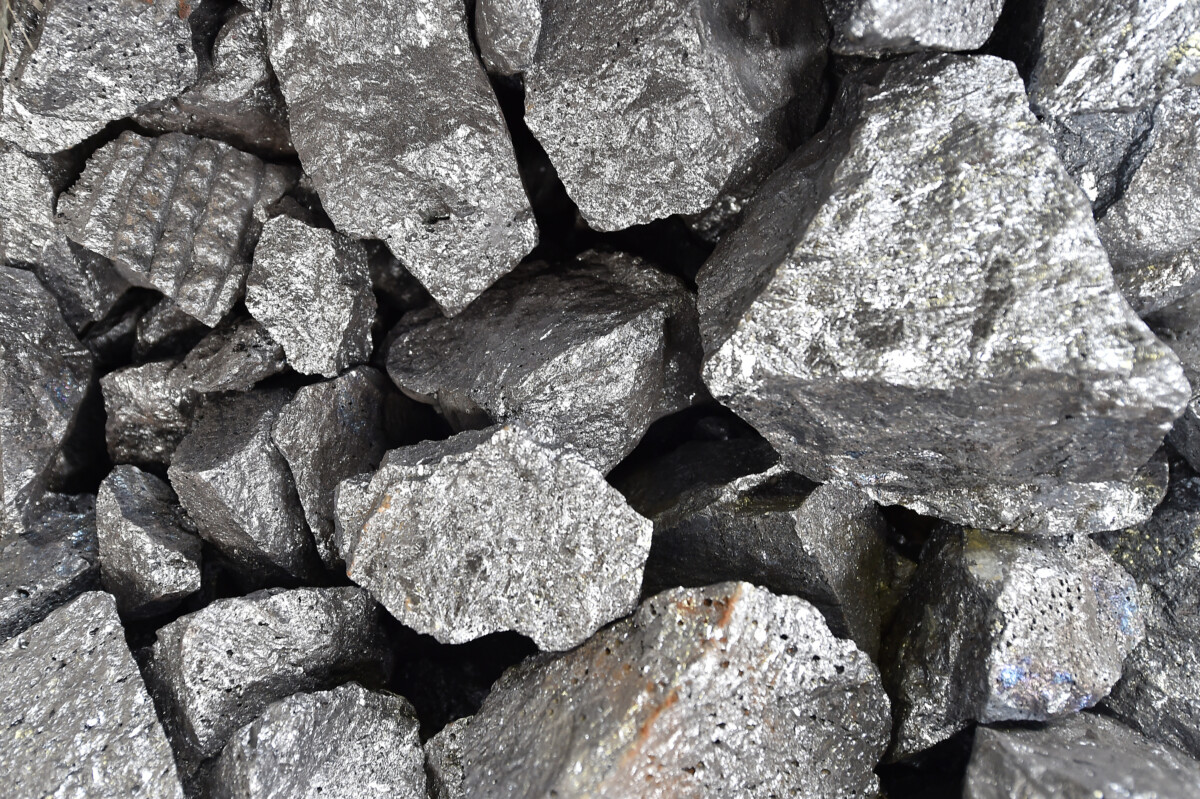
The energy transition is rapidly increasing the demand for high-performance batteries. Lithium-ion batteries, solid-state batteries, and next-generation cell technologies all rely on high-purity, precisely machined materials—including silicon anodes, graphite blocks, ceramic separators, and cathode materials based on cobalt or nickel.
What they all have in common: they are valuable, sensitive, and require the utmost care during machining. Any unnecessary material loss directly impacts costs.
Challenges in machining battery materials
• Graphite – brittle, abrasive, and dust-intensive
• Silicon – extremely fragile, with high demands on kerf width
• Ceramic separators – porous, thin-walled, and prone to breakage
• Cathode materials – expensive, highly reactive, and intolerant to contamination
The DRAMET solution for the battery industry
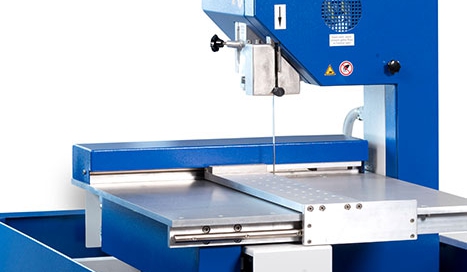
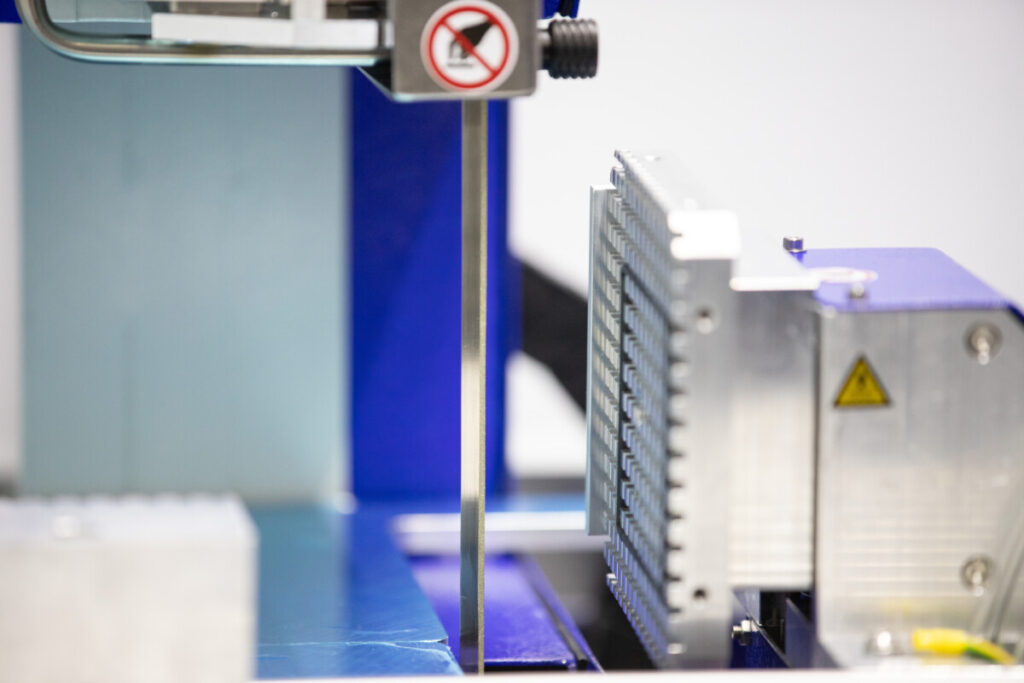
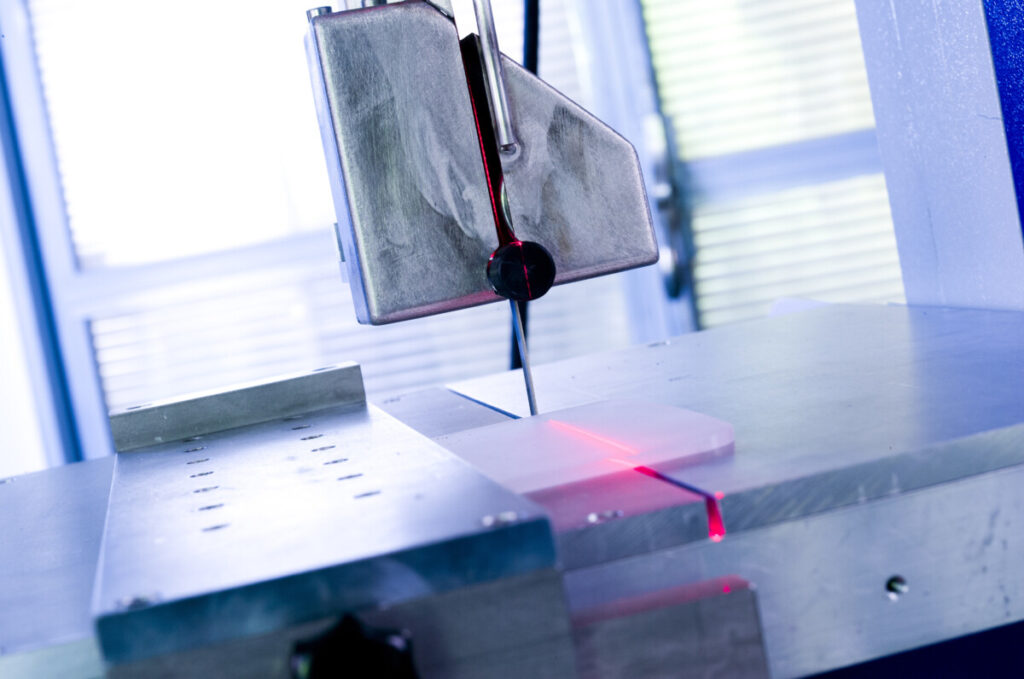
With diamond-coated saw bands in fine to medium grit sizes and minimal cutting pressure (0.5–4 N), DRAMET machines enable clean, chip-free cutting with minimal material loss. Integrated extraction systems prevent particle contamination—an essential requirement for battery cell quality.
Suitable machine solutions
• 200 Series – ideal for laboratory samples and research applications
• 270 Series – flexible and automatable for small batch production
• DS150-NC diamond wire saw – for ultra-fine cuts in silicon anode materials
Conclusion
The battery industry requires precision at the cell level. With DRAMET technology, battery materials can be machined efficiently, cleanly, and reproducibly—supporting the scalable growth of the energy transition.
Contact us for a non-binding consultation on your specific application.