
Brittle materials such as technical glass, ceramics, graphite, or certain composite materials place the highest demands on machining processes. Unlike metals, they exhibit little to no plastic deformation under load—instead, cracks, chipping, or internal stresses often occur without warning. Anyone aiming to machine these materials precisely and economically must understand and deliberately avoid typical sources of error.
Excessive cutting pressure – the most common cause of damage
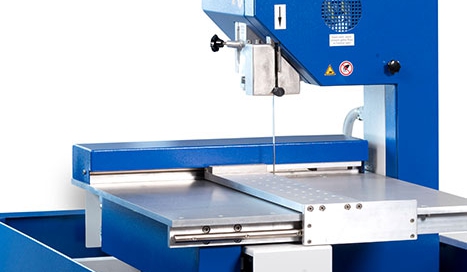
One of the most frequent sources of error is excessive cutting pressure. Brittle materials can only withstand limited mechanical stress. If feed rates are too aggressive or the tool is not properly matched, microcracks or chipping can occur at the কাট edge. These defects are not always immediately visible but can later lead to dimensional inaccuracies or functional issues. DRAMET diamond band saws therefore operate with very low cutting pressure, enabling gentle and material-friendly machining.
Incorrect tool selection despite “correct” parameters
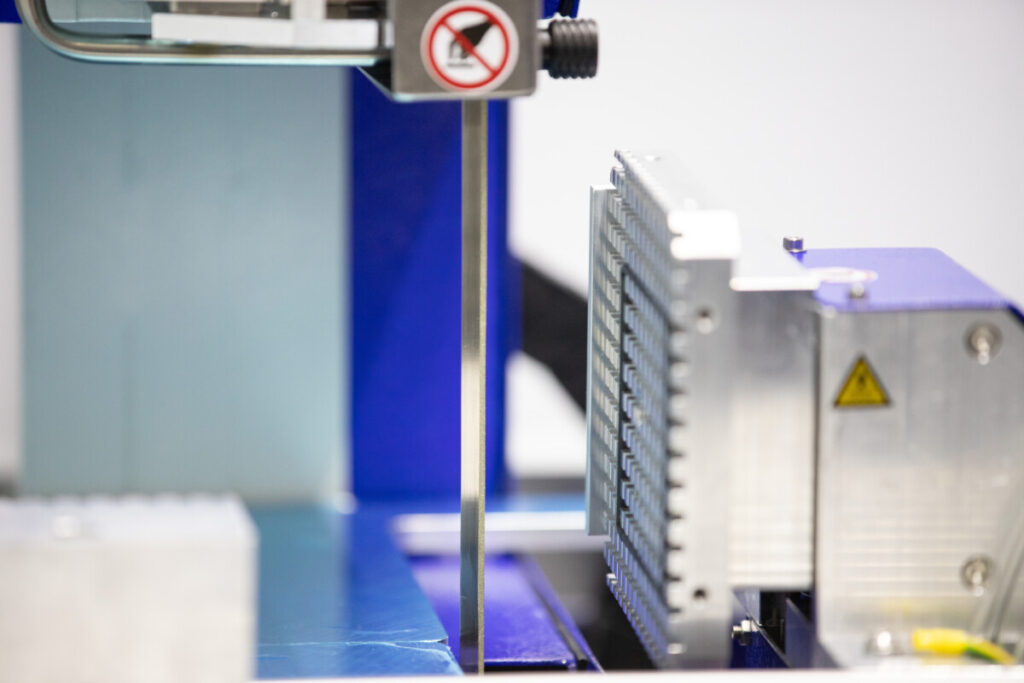
Even perfectly adjusted cutting parameters cannot ensure good results if the tool is not suited to the material. A grit that is too coarse will degrade surface quality, while a grit that is too fine increases cutting forces and thermal load. The use of unsuitable cutting tools can quickly lead to unstable processes. Selecting the appropriate diamond or CBN saw band is therefore a critical factor in achieving stable results.
Inadequate workpiece clamping
Another frequently underestimated source of error is workpiece clamping. Excessive clamping forces create internal stresses, while insufficient fixation leads to vibrations during cutting. Both directly affect cutting quality. Especially for irregular or delicate geometries, material-appropriate clamping solutions are essential to avoid damage and ensure reproducible results.
Underestimating thermal effects
Brittle materials are highly sensitive to temperature variations. Local heating at the cutting zone can cause stress cracks, even when mechanical loads are low. Controlled process conditions—such as optimized band speed, optional water cooling, and efficient extraction—help minimize thermal effects and protect the material structure.
Lack of process monitoring
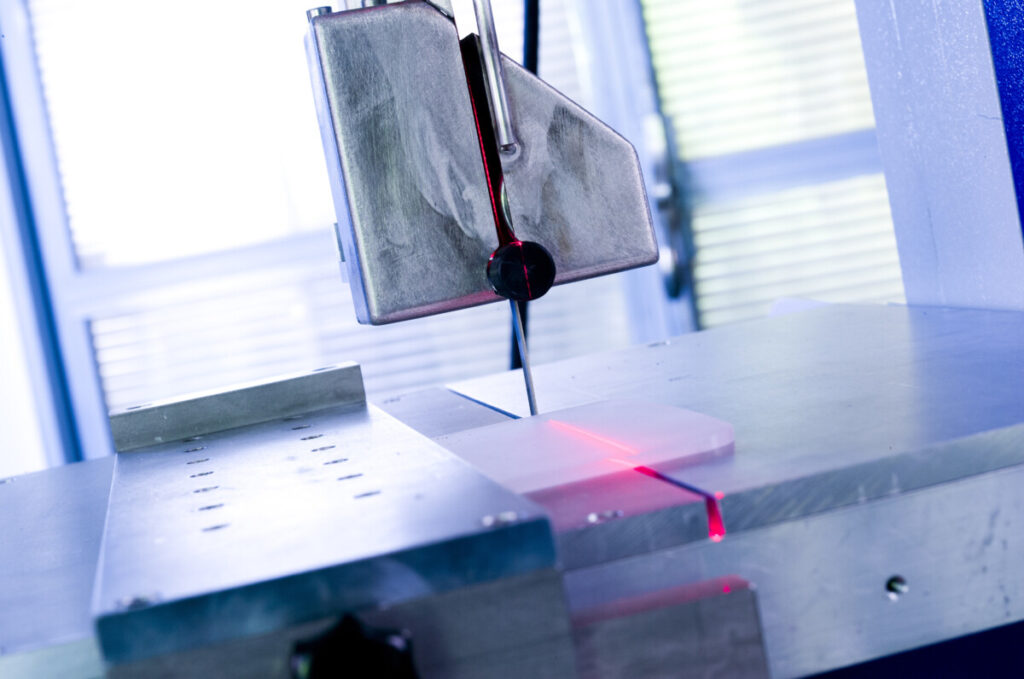
Many errors develop gradually. Tool wear, material variations, or changing clamping conditions often go unnoticed until scrap occurs. Without process monitoring, there is a lack of transparency to intervene at an early stage. Optional cutting force measurement allows deviations to be detected before they affect component quality.
Conclusion
Brittle materials do not forgive mistakes—but they reward precise and stable processes with outstanding quality. Those who understand and avoid typical sources of error can significantly reduce scrap, rework, and process risks. DRAMET supports users with optimized cutting technology, well-designed clamping solutions, and practical application expertise—for reliable results even with the most demanding materials.
Contact us for a non-binding consultation on how to reliably eliminate sources of error in machining brittle materials.